Small Toe Replacement Surgery
-
Eitan Ingall, MD Fellowship Trained Orthopaedic Surgeon
Dr. Ingall is a fellowship-trained orthopedic foot and ankle surgeon who prides himself on delivering compassionate, evidence-based care to his patients.
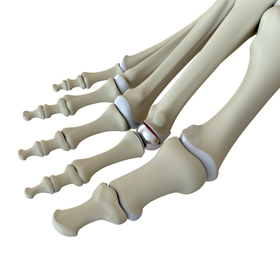
What is Small Toe Replacement Surgery?
Small toe replacement surgery, also known as lesser toe joint replacement, is a procedure performed to relieve pain and restore function in the small toes, typically the second, third, or fourth toes. This surgery is most commonly indicated for patients suffering from severe arthritis, joint deformities, or significant trauma to the toe joints that have not responded to conservative treatments.
Indications for Small Toe Replacement Surgery
Small toe replacement surgery is typically indicated in the following scenarios:
- Severe Arthritis: Osteoarthritis or rheumatoid arthritis causing significant pain and joint damage.
- Joint Deformities: Conditions like hammertoe, claw toe, or mallet toe that cause persistent pain and affect daily activities.
- Trauma: Fractures or injuries leading to joint damage.
- Failed Conservative Treatments: Non-surgical methods like medications, orthotics, or physical therapy have not provided relief.
Preparation for Small Toe Replacement Surgery
Preparation for small toe replacement surgery may involve the following:
- A comprehensive medical evaluation will be conducted. This may include a review of your medical history, physical examination, and possibly blood tests or imaging studies.
- You should inform your doctor about any pre-existing medical conditions, allergies, medications, or supplements you are taking.
- You may be asked to stop taking certain medications or supplements that may affect blood clotting during the surgery.
- You should refrain from eating or drinking for a specified period before the surgery.
- You should arrange for someone to drive you home after the procedure.
- You will be signing an informed consent form.
Procedure for Small Toe Replacement Surgery
In general, the procedure for small toe replacement surgery may involve the following steps:
- The patient is administered regional anesthesia (nerve block) or general anesthesia to ensure they are comfortable and pain-free during the procedure.
- A small incision is made over the affected toe joint.
- Soft tissues, including the skin, tendons, and joint capsule, are carefully moved aside to expose the joint.
- The damaged portions of the joint, including the cartilage and sometimes a small amount of bone, are removed.
- The prosthetic components, typically made of metal and plastic, are inserted. These may be cemented or press-fit into place, depending on the specific implant design and bone quality.
- The toe is realigned to ensure proper positioning and function of the new joint.
- The incision is closed with sutures or surgical staples, and the toe is bandaged.
Postoperative Care and Recovery
In general, postoperative care for small toe replacement surgery may include the following:
- The toe may be immobilized with a splint, cast, or special postoperative shoe to protect the surgical site and ensure proper healing.
- Pain is managed with prescribed medications, including analgesics and anti-inflammatory drugs, and the application of ice packs to the treatment area.
- Limitations on weight-bearing and specific activities to allow proper healing of the joint.
- Rehabilitation exercises to restore range of motion, strength, and function in the toe. Physical therapy usually begins a few weeks after surgery.
- Instructions on keeping the incision site clean and dry, with follow-up appointments to monitor healing.
Risks and Complications
Risks and complications associated with small toe replacement surgery include:
- Infection
- Implant failure
- Nerve damage
- Stiffness or limited mobility
- General anaesthesia risks
For more information about our services or to schedule an appointment, call us at or click here to request an appointment online. We'll respond to you as soon as possible.