Forefoot Surgeries
-
Eitan Ingall, MD Fellowship Trained Orthopaedic Surgeon
Dr. Ingall is a fellowship-trained orthopedic foot and ankle surgeon who prides himself on delivering compassionate, evidence-based care to his patients.
What are Forefoot Surgeries?
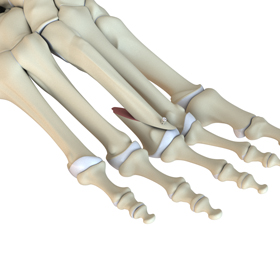
Forefoot surgeries are procedures performed to correct deformities, relieve pain, and restore function in the front part of the foot, which includes the toes and the area just behind them (metatarsal region). These surgeries are often necessary when conservative treatments like orthotics, medication, or physical therapy fail to provide relief.
What are the Common Conditions Requiring Forefoot Surgeries?
Common conditions necessitating forefoot surgeries include the following:
- Bunions (Hallux Valgus): a bony bump at the base of the big toe
- Hammer toes: curled or contracted toes
- Metatarsalgia: pain in the ball of the foot
- Morton’s neuroma: thickened nerve tissue between toes
- Hallux rigidus: arthritis of the big toe joint
- Tailor’s bunion (bunionette): bump on the outside of the little toe
- Toe deformities: claw toes, mallet toes, crossover toes
- Rheumatoid foot deformities: severe joint damage from autoimmune arthritis
What are the Common Types of Forefoot Surgeries?
Common types of forefoot surgeries include the following:
- Bunion Surgery (Bunionectomy)
- Realigns the big toe by removing the bony bump and correcting joint position.
- Techniques: osteotomy, fusion (arthrodesis), or implant placement.
- Hammer Toe Surgery
- Straightens contracted toes by releasing tendons or fusing small toe joints.
- Metatarsal Surgery
- Shortens or realigns metatarsal bones to relieve ball-of-foot pain.
- Often used in rheumatoid arthritis or metatarsalgia.
- Morton’s Neuroma Surgery
- Excises the thickened nerve to relieve burning pain or numbness.
- Arthrodesis (Joint Fusion)
- Fuses bones of arthritic or unstable joints, often used in hallux rigidus or severe deformities.
- Weil Osteotomy
- Shortens and repositions the metatarsal bone to reduce pressure on the foot.
- Toe Tendon Transfers or Releases
- Rebalances the soft tissues in the toes for deformities or clawing.
Indications for Forefoot Surgeries
Your physician may recommend forefoot surgeries in the following settings:
- Persistent pain in the toes or ball of the foot (e.g., metatarsalgia, Morton’s neuroma)
- Progressive deformities like bunions, hammer toes, or claw toes that affect walking or shoe wear
- Limited function or difficulty walking due to joint stiffness or arthritis (e.g., hallux rigidus)
- Foot instability or deformities caused by conditions like rheumatoid arthritis
- Neurological or structural issues affecting toe alignment or foot pressure distribution
- Failure of conservative treatments, such as orthotics, physical therapy, or medication
- Cosmetic concerns, only when accompanied by functional problems
Surgery aims to relieve pain, correct deformities, and improve foot function
What Does the Procedure for Forefoot Surgeries Involve?
The procedure for forefoot surgeries typically begins with administering anesthesia to ensure patient comfort, followed by cleaning and sterilizing the surgical area. A small incision is made over the affected part of the forefoot, such as the toes or metatarsal region. Depending on the condition being treated (such as bunions, hammertoes, neuromas, or metatarsalgia), the surgeon then performs the necessary correction - this may involve realigning bones, removing bony growths, repairing or releasing tendons and ligaments, or removing nerve tissue. Fixation devices like screws or pins may be used to hold the bones in the corrected position. Once the surgical correction is complete, the incision is closed with sutures, and a sterile dressing is applied.
Postoperative Care
After the procedure, the foot is typically wrapped in a sterile dressing and placed in a protective shoe or boot to prevent movement and protect the surgical site. Patients are advised to keep their feet elevated and apply ice to reduce swelling and discomfort. Weight-bearing is usually limited, and crutches or a walker may be recommended initially. Pain is managed with prescribed medications, and the surgical site should be kept clean and dry. Follow-up appointments are scheduled to monitor healing, remove sutures if needed, and take postoperative X-rays. Physical therapy may be recommended to restore strength and mobility once the initial healing phase is complete.
Risks and Complications
Forefoot surgeries, like any surgical procedure, carry potential risks and complications. These include:
- Infection
- Bleeding
- Swelling and bruising
- Delayed wound healing
- Nerve injury
- Blood clots
- Nonunion or malunion of bones
- Recurrence of the deformity
- Stiffness or reduced range of motion
- Persistent pain or discomfort
- Unsatisfactory cosmetic or functional outcome
For more information about our services or to schedule an appointment, call us at or click here to request an appointment online. We'll respond to you as soon as possible.