Foot & Ankle Surgery
-
Eitan Ingall, MD Fellowship Trained Orthopaedic Surgeon
Dr. Ingall is a fellowship-trained orthopedic foot and ankle surgeon who prides himself on delivering compassionate, evidence-based care to his patients.
What is Foot & Ankle Surgery?
Foot & Ankle surgery is a specialized field of orthopedic surgery that focuses on the diagnosis, treatment, and prevention of disorders affecting the Foot & Ankle. Foot & Ankle surgery aims to relieve pain, restore function, and improve the overall quality of life for patients with Foot & Ankle disorders.
Anatomy
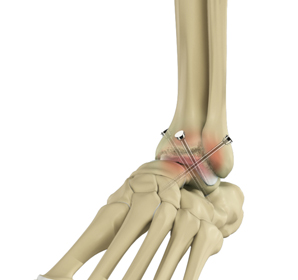
The Foot & Ankle are complex joints involved in movement, providing stability and balance to the body. They are flexible structures that consist of 26 bones, 33 joints, and many muscles, tendons, and ligaments.
The foot is usually differentiated into 3 parts: the forefoot, comprising of 5 toes, the midfoot, comprising of 5 bones that form the arch of the foot, and the hindfoot, forming the heel and ankle.
The ankle is a large joint made up of 3 bones: the tibia, fibula, and talus. Ligaments and tendons run along the surface of the feet promoting easy and flexible movement.
What are the Common Conditions Treated by Foot & Ankle Surgery?
Common Foot & Ankle conditions addressed by Foot & Ankle Surgery include:
- Traumatic Injuries: Fractures, sprains, and dislocations of the Foot & Ankle.
- Arthritis: Both osteoarthritis and rheumatoid arthritis affecting the Foot & Ankle joints.
- Deformities: Conditions like bunions, hammertoes, and flat feet.
- Tendon and Ligament Disorders: Issues such as Achilles tendonitis, plantar fasciitis, and tendon ruptures.
- Nerve Problems: Conditions like tarsal tunnel syndrome and neuromas.
- Diabetic Foot Care: Managing complications from diabetes, such as ulcers and infections.
- Sports Injuries: Including stress fractures, ligament injuries, and other sports-related conditions.
What are the Common Procedures Performed in Foot & Ankle Surgery?
Common Foot & Ankle procedures performed by Foot & Ankle Surgery include:
- Arthroscopy: A minimally invasive procedure used to diagnose and treat joint problems.
- Fusion Surgery: Fusing bones together to eliminate pain from arthritis or other conditions.
- Osteotomy: Cutting and realigning bones to correct deformities.
- Tendon Repair: Fixing torn or damaged tendons.
- Fracture Repair: Using screws, plates, or other hardware to stabilize broken bones.
- Bunion Surgery: Removing the bony bump and realigning the joint.
- Hammertoe Correction: Surgical straightening of bent toes.
- Plantar Fascia Release: Cutting part of the plantar fascia ligament to relieve pain from plantar fasciitis.
- Ankle Replacement: Replacing a damaged ankle joint with an artificial implant.
Preoperative and Postoperative Care
Preoperative Care: Includes diagnostic imaging (X-rays, MRI), physical examinations, and discussions about the risks and benefits of surgery. Patients are often advised to stop certain medications and follow specific guidelines to prepare for surgery.
Postoperative Care: Involves pain management, physical therapy, and gradual return to normal activities. Patients may need to wear a cast or brace and use crutches to avoid putting weight on the operated foot or ankle.
Goals of Foot & Ankle Surgery
- Pain Relief: Alleviating chronic pain that interferes with daily activities.
- Restoring Function: Improving or restoring mobility and function of the Foot & Ankle.
- Correcting Deformities: Addressing structural abnormalities to improve alignment and functionality.
- Enhancing Quality of Life: Enabling patients to return to normal activities and improve their overall quality of life.
Foot & Ankle surgeons are trained in both surgical and non-surgical techniques, and they often work closely with other healthcare professionals, such as physical therapists and podiatrists, to provide comprehensive care.
For more information about our services or to schedule an appointment, call us at or click here to request an appointment online. We'll respond to you as soon as possible.